
Ever notice how much time you actually spend at your ironing board?
Pressing seams. Setting blocks. Fixing little waves before they turn into big problems. In quilting, your iron isn’t just an accessory — it’s practically a second sewing machine.
But not all irons are created equal. If yours leaks, spits, shuts off at the wrong moment, or just doesn’t get hot enough to give you crisp seams, it can slow everything down. And when you’re trying to enjoy your sewing time, the last thing you want is to wrestle with your tools.
In this guide, I’m sharing the best irons for quilters — what makes them work well for quilting specifically, and what features actually matter at the pressing station. Whether you’re sewing at home, heading to a retreat, or upgrading an old iron that’s seen better days, this will help you choose one that supports your quilting instead of getting in the way.

Why the Right Iron Makes a Big Difference in Quilting
In quilting, your iron isn’t just another tool sitting next to your sewing machine — it’s part of the construction process. A good quilting iron can mean the difference between crisp, flat quilt blocks and ones that fight you every step of the way.
First, let’s talk about something important: pressing vs. ironing. Quilters press seams — we don’t iron them like a shirt. Pressing means lifting the iron and setting it down to apply heat and pressure without dragging the fabric. Dragging (ironing) can stretch blocks out of shape, distort bias edges, and throw off your measurements. When you’re trying to keep quilt blocks square and accurate, that distinction matters.
Heat plays a big role in seam accuracy, too. Cotton responds best to consistent, high heat. When your quilting iron maintains steady temperature, seams relax and lay flat. That helps blocks nest properly and points line up the way they should. If your iron struggles to stay hot or heats unevenly, you’ll notice it — seams stay puffy, and matching corners becomes more frustrating than it needs to be.
Bulky seams usually happen when layers aren’t fully pressed open or to one side. Sometimes it’s technique, but often it’s the tool. An iron that doesn’t get hot enough — or one that spits water unpredictably — can leave moisture trapped in the fabric, creating thickness instead of smooth, flat seams. Over the course of a whole quilt top, that extra bulk adds up fast.
And then there’s speed. A poor-quality iron slows everything down. Waiting for it to reheat. Re-pressing seams because they didn’t flatten the first time. Wiping up random leaks. When you’re in a good sewing rhythm, the last thing you want is to stop and fight your quilting tools.
The right iron supports your quilting instead of getting in the way. It helps your seams stay crisp, your quilt blocks stay square, and your sewing time feel productive — not frustrating.
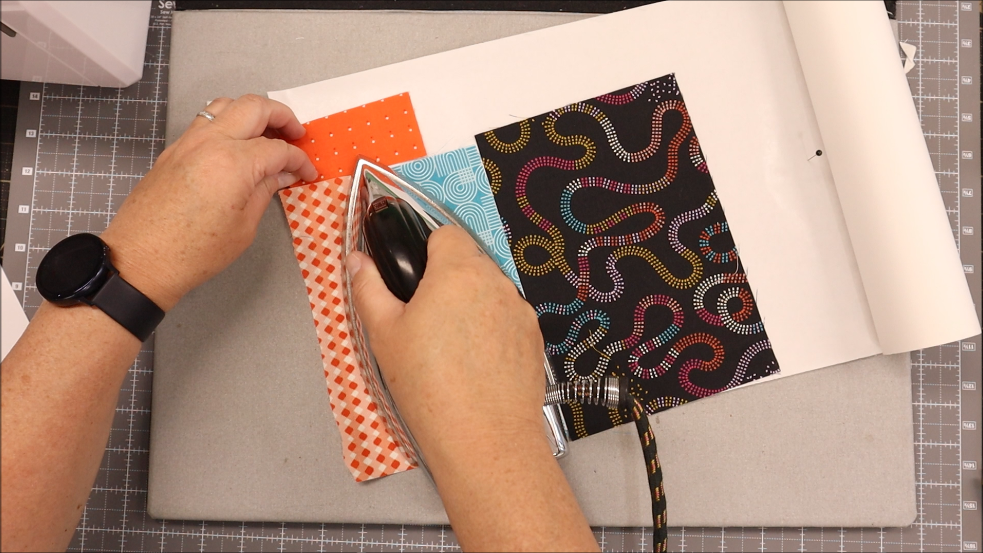
What to Look For in the Best Iron for Quilting
Before choosing an iron, it helps to know what actually makes a difference at the pressing station. Quilting isn’t the same as ironing shirts. We’re pressing seams flat, setting blocks, and working with layers — so the features that matter might surprise you.
Consistent, High Heat
Quilters need reliable heat. Cotton responds best to a hot iron, especially when you’re pressing seams open or working with starch. If an iron struggles to maintain temperature or cools down quickly, it can slow your progress and leave seams less crisp than you’d like.
Weight (Yes, It Matters)
A slightly heavier iron can actually be helpful. The weight does some of the pressing work for you, which means less pushing and fewer arm aches during longer sewing sessions. That said, it shouldn’t feel uncomfortable to lift or move around your pressing station.
Steam Control (Or No Steam at All)
Some quilters love steam. Others prefer a dry iron and use a spray bottle instead. The key is control. You want an iron that doesn’t spit, leak, or surprise you with a burst of water right when you’re pressing a seam flat.
Reliable Auto Shut-Off
Safety matters — especially when you’re deep into sewing and forget the iron is on. A dependable auto shut-off feature gives peace of mind without constantly turning off mid-press.
Comfortable Handle & Cord Length
This might seem small, but if you’re pressing for hours, comfort counts. A well-balanced handle and a cord long enough to reach your setup without pulling makes the whole experience smoother.
Choosing the best iron for quilting isn’t about fancy features — it’s about consistent performance. When your iron works with you instead of against you, your seams are flatter, your blocks line up better, and your time at the pressing station feels a lot less frustrating.
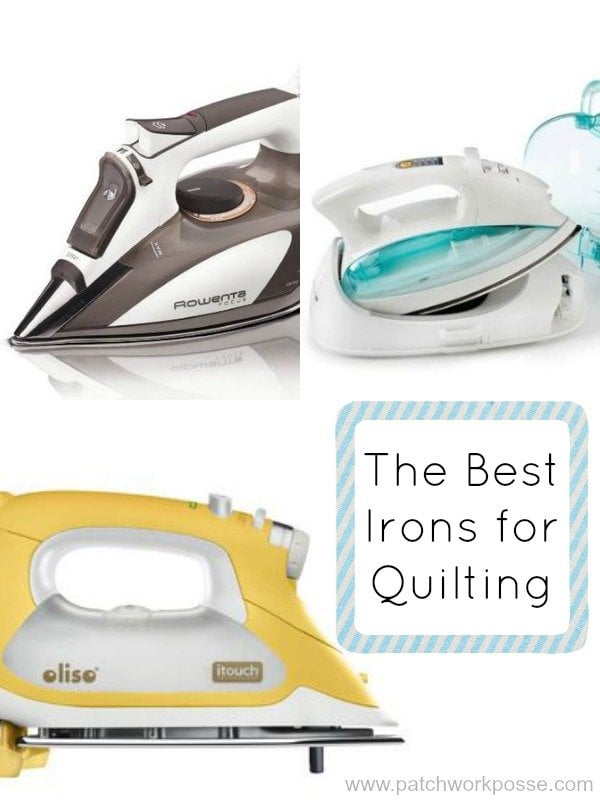
The Best Irons for Quilting~
Oliso- Check out the full line of Oliso Irons here, or here on Amazon
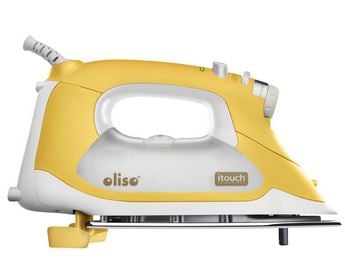
While this iron is one of the most expensive at $199.00 it seriously is my favorite.
The little feet on the bottom retract when you touch the handle so you never have to list this heavy guy!
The cord is plenty long — you can cover a lot of ground with it and don’t have to stand right next to the plug.
The heat on this baby is hot!
Watch out. I love the setting, the steam works fantastic and over all it is well worth the money.
Check out more information on the Oliso here!

Rowenta
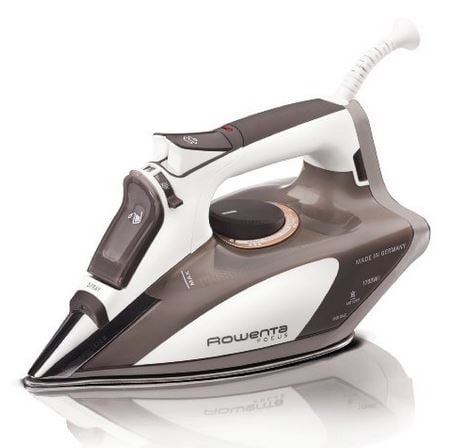
I used the Rowenta iron for a long time before going to the Oliso.
I loved it. It does have a flaw of leaking, but if you don’t leave water in there all the time, you shouldn’t have a problem.
It is a heavy iron and does it’s job fantastically.
Lot’s of settings to mess with so you can quickly customize how you use it. Price is just under $100. I have heard also that the mini Rowenta is a great iron for traveling with. I might have to look into that!
Check out more information on the Rowenta here!

Cordless Irons

This isn’t the brand I was using– mine was an Oreck….but the idea is the same. It’s cordless!
The iron is heated by a separate stand and then you pop it off, use it– without fighting cords and then place it back on the stand when you need it heated again.
I loved, loved mine…and still occasionally use it. It was nice and hot when right off the stand. Held it’s heat well, and you can walk where ever you want with this in your hand! I found that I liked keeping the stand off of the ironing table so it gave me a more space while ironing.
Price is under $100 so not too terrible to the pocket book either.
Check out more information on Cordless Irons here!

Long, Mini Iron

These are so great for applique projects when you have little pieces and you need a little more control. You can actually see what you are ironing / pressing.
The large iron plate is a tiny one that allows you to see everything and actually have it in place before you set the iron down. No more guessing.
Price runs from $10- 20
You can find more info about the Clover Mini Iron here.

More Ironing Resources
To help you get a bit more done with your ironing – here are a few more articles and tutorials on your ironing station. No matter what iron you decide to use, just know that there is not one clear winner and everyone will have their own favorite.
Homemade Spray Starch

Make your own spray starch for your quilting and save a bunch of money.
The Difference between ironing and pressing

Ironing and quilting can be confusing sometimes. When do I iron? Do I use steam or no steam? Ironing is important to do before starting the quilting process. It will help to get all those ugly creases and wrinkles out.
Make a Portable Ironing Board – DIY
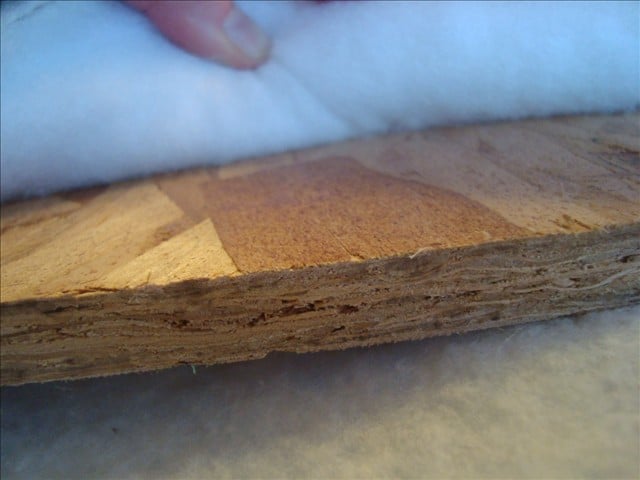
Learn how to make your own ironing board with a few supplies and a little DIY.
Mini Iron Bag Tutorial

If you take your iron to quilt retreats and sewing days – this mini iron tutorial is the best thing! It keeps the heat in and lets you use your iron to the last minute before packing it away.

