
Ever made a bag that just won’t stand up the way you want it to? That’s usually where box corners come in. This simple sewing technique is what gives bags, pouches, and bins that flat bottom so they actually hold their shape and work the way they should.
The good news is there’s more than one way to do it—and none of them are hard. In this tutorial, you’ll learn 3 easy methods for sewing box corners, so you can pick the one that makes the most sense for how you like to sew. Once you see how it works, you’ll start adding box corners to all kinds of projects.

I have come to the conclusion that there are 3 basic Box Corners. Each of them gets you to the final result, but having options can be handy. Depending on the thickness of your fabric, bulkiness of the seams, or whatever, with 3 options for sewing box corners you can find your favorite, or try something new!
Adding this little feature can give flat pillows, cushions and bags some dimension and depth. You will want to be consistant on all corners that you use these methods on. Keeping consistant and accurate will make your finished item look great. Pay attention to your markings…and double check them before you cut!
A box corner on a couch cushion is where the cushion get’s its thickness. The bigger it is, the thicker the cushion.
A box corner on a pouch or bag determines how much ‘bottom’ you will have. The bigger it is, the larger the bottom of the bag becomes. {this can be tricky as adding width here will take away from your height}.
Quick Comparison of the 3 Methods
Before you jump in, here’s a quick way to decide which method to use:
- Cut-out squares method – easiest and most accurate (great for beginners)
- Pinch and sew method – no cutting needed, good for quick projects
- Measured fold method – great when following specific pattern instructions
They all give you the same end result—it just depends on how you like to work.
3 ways to Sew Box Corners:

1- sew into seam For some reason I find this one the trickiest…but when I look at the picture, it’s like duh. 🙂 The steps here are to fold the bottom in on itself, which then catches it in the side seam…boxing the corner. Brilliant!
To make this style of box corner, start by flattening the bottom corner of your sewn bag so the side seam and bottom seam line up directly on top of each other. This creates a point at the corner. Measure across that point to the depth you want for your bag, mark a straight line, and sew across from one side to the other. Once stitched, trim off the excess fabric if needed. When you turn the bag right side out, that stitched line opens up into a flat bottom, giving your bag shape and structure.
Great tutorial found here.
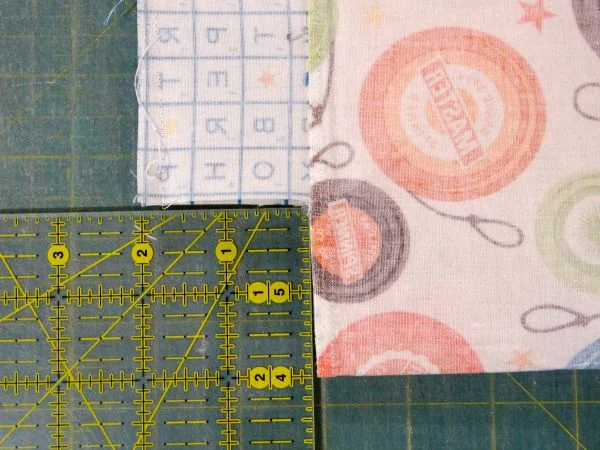
2- cut the corner The steps here require you to cut a little box totally out of the corner. The tricky part to this is that you will open up the cut part, re-align the edges so the seam is straight again, and then sew.
Remember that this new straight edge will be the size of the boxed corner. I typically see the squares cut at 1″ – 2″ big. Great tutorial found here .
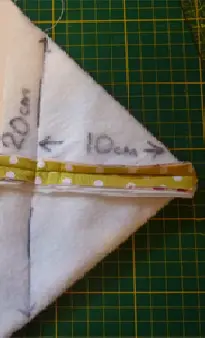
3- sew the corner For most of us, this is the typical technique for sewing a box corner. You open the bottom, placing the side seam right in the center. Mark with a pencil a line– the length of the line will be how large the bottom of the bag will be.
If you’d like to ‘audition’ the size, place pins along the line and turn right sides out. Adjust if needed. Sew on the drawn line, making sure it the seam doesn’t shift.
Tutorial for this technique here.
How Big Should Your Box Corners Be?
If you’re not following a pattern, the size of your box corner makes a big difference in how your bag turns out.
A quick rule to remember:
Finished bottom width = 2 × the cut-out square size
So:
- Cut 2″ square → 4″ bottom
- Cut 3″ square → 6″ bottom
If you want a wider, roomier bag, go bigger. For smaller pouches, keep it smaller.
Common Mistakes to Avoid
A few small things can make a big difference:
- Cutting corners unevenly (measure both sides)
- Not lining up seams before sewing
- Skipping pressing (this helps everything sit flat)
- Sewing too close to the edge
Taking an extra minute here will make your finished bag look much cleaner.
When to Use Box Corners
You’ll use this technique more than you think. It’s perfect for:
- Tote bags
- Drawstring bags
- Zipper pouches
- Storage bins
- Project bags
Anytime you want your project to stand up and hold its shape, box corners are the way to go.
Bag Patterns You Can Sew Today
How to Box Your Corners
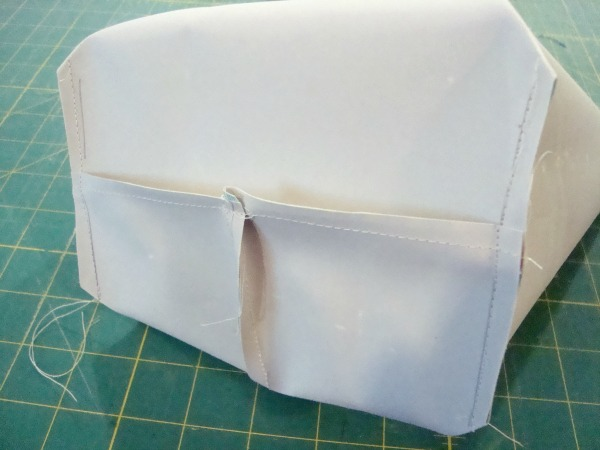
Learn how to make a quick boxed corner for any bag. It helps your bags sit flat.
Easy to Sew Card Wallet with Pockets
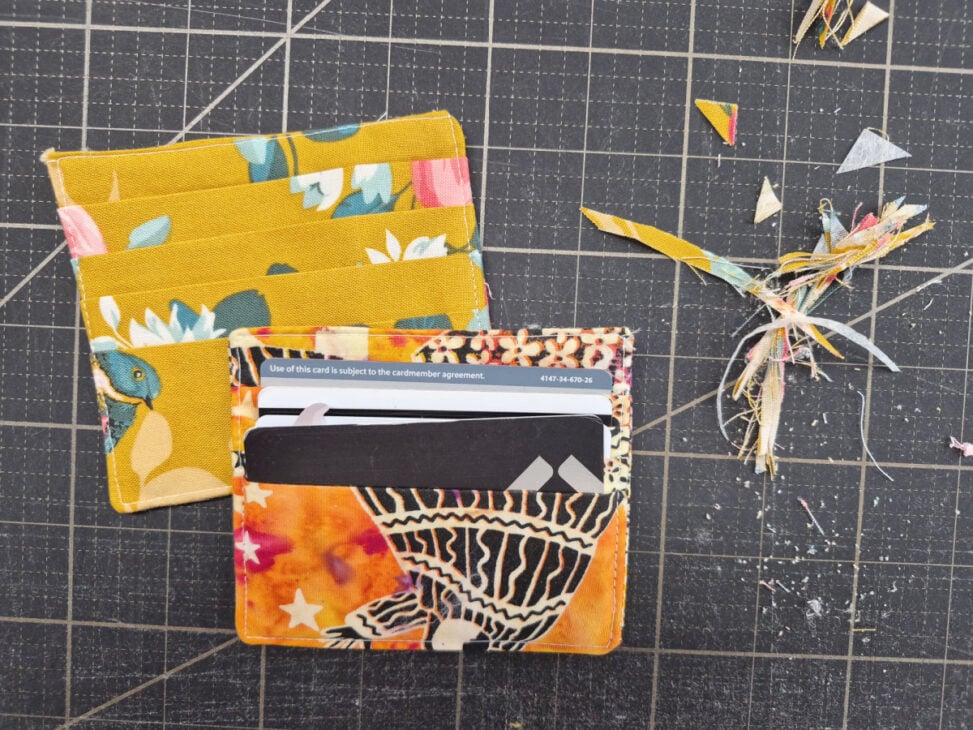
Take one fabric and some stabilizer to sew up a simple card wallet. Great for keeping track of those cards without them getting lost in the purse.
Snappy Pouch
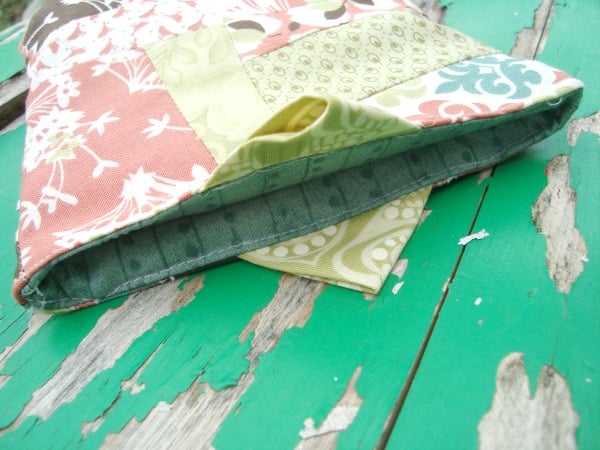
Sew up a simple bag that has a snap closure. You pull the little tags to open the pouch.
Mesh Front Project Bag
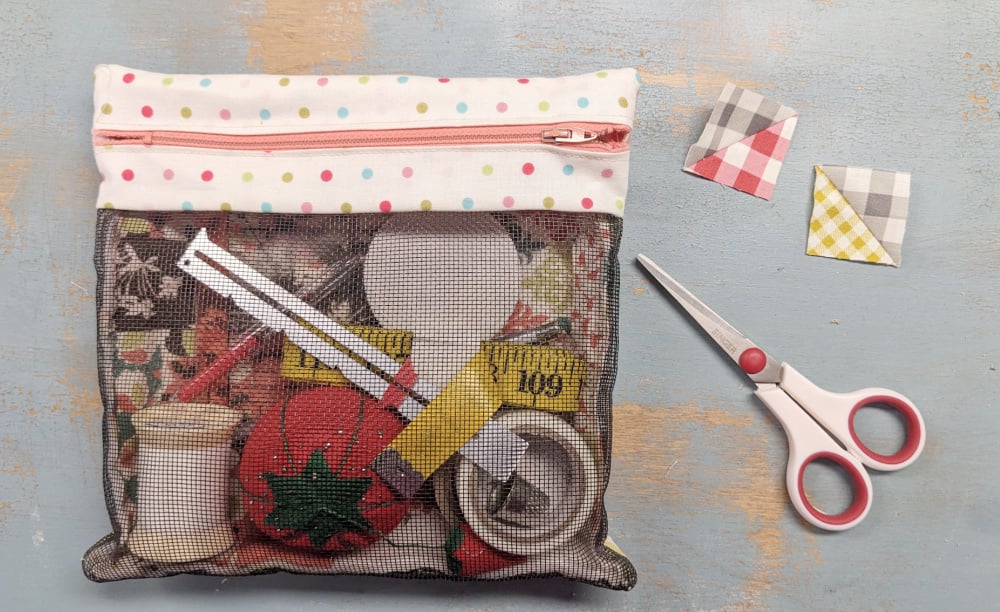
This easy to sew (use a leftover quilt block) to make a bag that features a mesh front project or notion bag.
Clear Project Bag

Use clear plastic to make an easy project bag. It features a zipper at the top to keep everything inside.

